Severe Toothache in Glen Allen? Home Remedies and When to See a Dentist ASAP
Have you ever lost sleep, gotten a headache, or had trouble concentrating because of a throbbing toothache? You’re not alone – dental pain can be surprisingly intense, disrupting your ability to work, eat, and even sleep. If you’re in Glen Allen dealing with a severe toothache, we understand how alarming and uncomfortable it can be. At Dr. Sayyar Dental Care, our priority is to relieve your pain quickly and effectively. We’ll walk you through some trusted home remedies for toothache relief in Glen Allen and explain when it’s crucial to see a dentist promptly (before a small problem becomes a big one). Our team is here to help, offering compassion and expertise – including same-day emergency appointment availability – to get you out of pain and back to smiling.
Why Does My Tooth Hurt So Much? (Understanding the Pain)
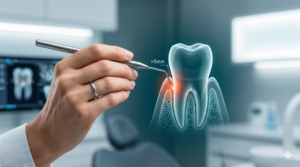
A severe toothache is your body’s urgent alarm that something isn’t right in your mouth. Often, intense tooth pain stems from an underlying issue like tooth decay, an infection or abscess, nerve damage, or a cracked tooth. When a cavity burrows deep enough to reach the tooth’s nerve (pulp), or when an infection forms a pus pocket (abscess) at the root, the nerves become inflamed – and that can trigger unrelenting pain. This kind of pain may appear suddenly and intensify quickly, sometimes radiating to your jaw, ear, or even your face. You might notice additional warning signs such as gum swelling, fever, or a foul taste in your mouth, which indicate the infection could be spreading beyond the tooth. In rare cases, a severe dental infection can even affect overall health if left untreated.
Why is the pain so intense? Inside each tooth is a bundle of nerves and blood vessels. When these nerves are irritated or infected, they send out strong pain signals. The confined space inside a tooth or within the jaw means swelling has nowhere to go – causing pressure that adds to the ache. That’s why a simple cavity or small crack can suddenly turn into a fierce, hard-to-ignore pain. In short, a toothache is not just a minor annoyance; it’s often a sign of a problem that needs attention. While home remedies (discussed below) can soothe the pain temporarily, true relief comes from addressing the cause of the toothache – which usually means a dental evaluation and treatment.
Glen Allen Tooth Pain Home Remedies for Quick Relief
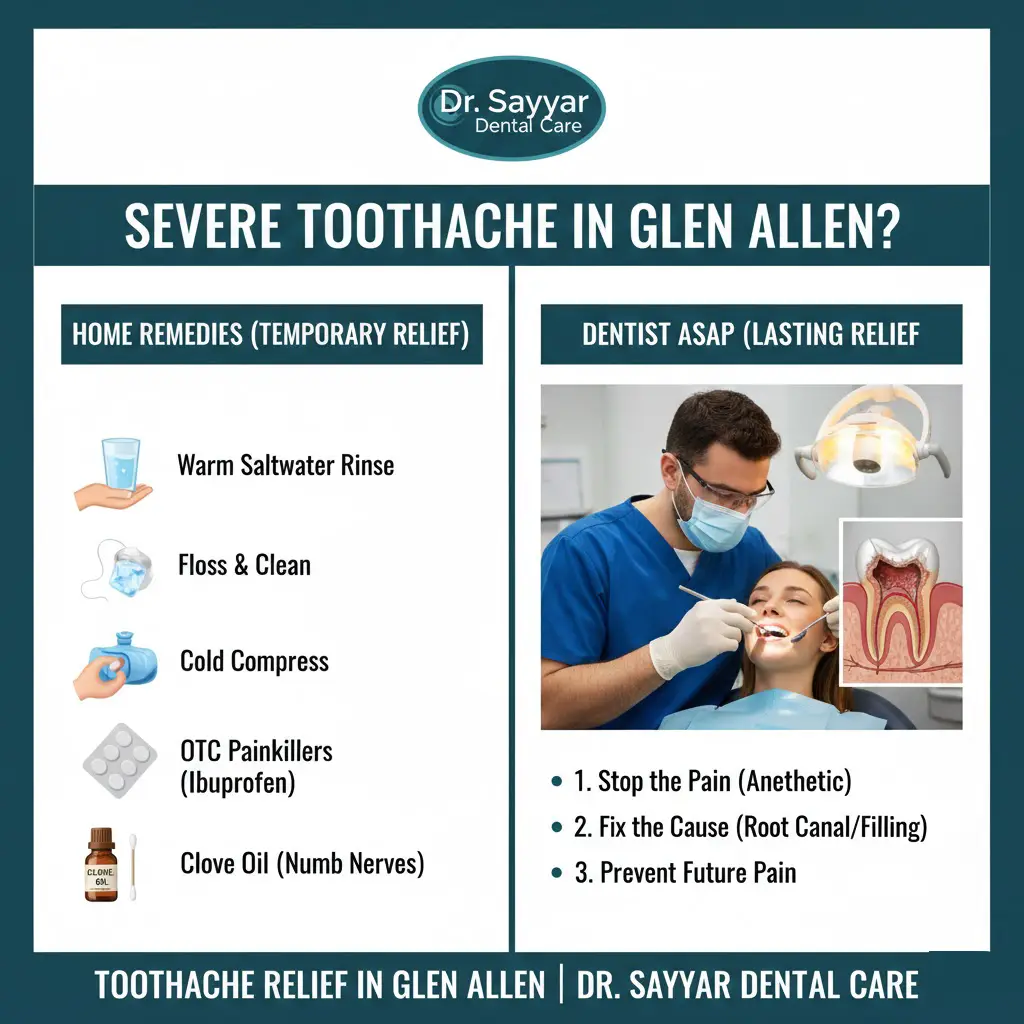
When you’re suffering from a bad toothache, you need relief now. Home remedies won’t cure the underlying issue, but they can provide comfort and dull the pain until you can get professional care. Here are five tried-and-true toothache home remedies to tide you over:
- Warm Saltwater Rinse: Rinsing your mouth with warm salt water is a simple and effective Glen Allen tooth pain home remedy. Stir about 1/2 to 1 teaspoon of salt into an 8-ounce glass of warm (not hot) water. Gently swish it around the painful tooth for 30 seconds, then spit it out. A saltwater rinse helps wash away debris stuck between teeth and acts as a mild disinfectant, reducing bacteria and inflammation. (Tip: Do not swallow the saltwater.) This can offer brief relief, especially if your gums are irritated or if there’s any minor infection.
- Floss and Clean: Sometimes, tooth pain is caused by nothing more than a bit of food trapped between teeth or along the gumline. Take a moment to carefully floss around the aching tooth. Removing any lodged food or plaque can relieve pressure and pain almost instantly if that was the culprit. After flossing, rinse again. This ensures that you’ve cleared out any particles that could be causing irritation. If a gentle flossing and brushing don’t resolve a dull ache, that could mean the cause is more serious – so keep an eye on it and don’t hesitate to plan a dental visit if pain persists.
- Cold Compress on the Cheek: Applying a cold pack externally can work wonders on a throbbing tooth. Cold temperatures cause blood vessels to constrict, which helps reduce swelling and numb the area, providing relief. Take a cold compress or wrap a bag of ice in a thin cloth, and hold it against the cheek on the side of your painful tooth. Use it for 15–20 minutes at a time, and you can repeat this every few hours. This remedy is especially helpful if your toothache is due to trauma or if you have any facial swelling. (Never apply ice directly to your skin – always use a cloth barrier to prevent cold burns.)
- Over-the-Counter Pain Relievers: An over-the-counter pain medication can be a lifesaver when tooth pain is beating you down. Dentists often recommend an anti-inflammatory pain reliever like ibuprofen (Advil, Motrin) because it not only eases pain but also reduces inflammation at the source. Acetaminophen (Tylenol) is another option for reducing pain. Always follow the instructions on the label regarding dosage. Important: Do NOT place aspirin directly on the tooth or gum – despite old folklore, this can burn your gum tissue and won’t actually help the toothache. Swallow the medication as directed instead. And remember, pain meds are a temporary fix to make you comfortable; they can’t fix a cavity or infection, but they’ll help you cope until you see a dentist promptly.
- Clove Oil (Natural Remedy): Clove oil has been used for ages as a home remedy for toothaches – and for good reason. Clove contains eugenol, a natural compound that numbs nerve pain and has antiseptic (germ-fighting) qualities. To use clove oil: place a drop or two on a small cotton ball or cotton swab, and gently press it against the gum area of the sore tooth. You should feel a slight tingly-numbing sensation which can give temporary relief, similar to how a topical anesthetic might work. If you don’t have clove oil, even holding an actual whole clove against the tooth or chewing it slightly can release some of that numbing eugenol. (Just be aware clove oil has a very strong taste, and use it sparingly. Also, avoid swallowing it.)
These home remedies can be real helpers in a pinch. Many patients in Glen Allen try one or a combination of these methods to get through the night or weekend until they can reach us. It’s perfectly fine to use any of the above for short-term relief. Just keep in mind, if the pain is severe or these remedies only help for a short time, your toothache likely needs professional care. Home treatments are bandaids – they ease the pain but don’t remove the cause. In the next section, we’ll compare what home care can do versus what a dentist can do, so you know what to expect from each option.
Home Remedies vs. Professional Dental Treatment (Comparison)
Even the strongest home remedy is only a temporary solution when it comes to a severe toothache. How do at-home fixes stack up against an actual visit to the dentist? Here’s a quick comparison:
| Aspect | At-Home Toothache Remedies | Professional Dental Treatment |
| Pain Relief | Yes – remedies like rinses, cold compresses, and OTC meds can dull the pain for a while. | Yes – a dentist can provide stronger relief (local anesthetics for immediate pain control and proper treatment for lasting relief). |
| Addresses the Root Cause | No – home care only treats symptoms. It can calm inflammation or numb nerves temporarily, but it doesn’t fix cavities, infections, or cracks. | Yes – dental treatment resolves the underlying issue (e.g. filling a cavity, treating an infection, performing a root canal or extraction if needed). This leads to true, lasting relief. |
| Duration of Relief | Short-term – pain often returns once the remedy wears off. You might get a few hours of comfort at best, or just mild reduction in pain. | Long-term – once the tooth is properly treated, the pain should subside for good (after any normal healing period). No more constant ache waking you up at night. |
| Safety & Risks | Generally low risk if you use remedies properly (e.g. dilute rinses, don’t exceed medication dosages). However, delaying needed care can let the problem worsen over time. Also, misuse of remedies (like applying aspirin on gums or using a high-strength oral gel excessively) can cause harm. | Low risk – procedures are done under controlled, sterile conditions by professionals. There may be temporary post-treatment soreness, but your dentist will give you care instructions. Treating the issue promptly prevents more serious complications (like spread of infection). |
| Cost | Mostly minimal – items like salt, ice, or OTC pain pills are inexpensive. No upfront cost to “wait and see,” but be cautious: if the problem worsens, it could lead to more complex (and costly) treatment later. | Varies – the cost depends on the treatment needed (filling vs. root canal vs. extraction, etc.). However, most dental offices offer emergency exams and payment options. Investing in fixing the problem now can save you pain (and expense) down the road. |
In short: Home remedies are wonderful for immediate, short-lived relief and can help you manage pain in the moment. They’re a great first aid measure, especially if you can’t see a dentist right away. But they are not a cure. As one dental advice article put it, you can “try these remedies at home… to temporarily fight pain and inflammation from your toothache,” but don’t forget to follow up with the dentist to treat the cause. Professional treatment is the only way to stop the toothache at its source and ensure it doesn’t come roaring back or lead to something worse.
When to Seek a Dentist: A Step-by-Step Guide
Is it time to call the dentist, or should you wait a little longer? When you have a toothache, it can be tough to decide whether to keep nursing it at home or to get professional help ASAP. Use this step-by-step guide to evaluate your situation:
Step 1: Assess Your Symptoms. Take stock of how severe your toothache is and what other symptoms you have. Is the pain manageable or is it overwhelming? A mild, dull ache that comes and goes might tolerate a day of home care. But sharp or constant pain, pain that wakes you up at night, or pain that’s getting worse by the hour is a red flag. Check for swelling in your gum or face, and see if you have a fever. If you have severe, unrelenting pain, significant swelling of the face or jaw, fever, or difficulty swallowing/breathing, skip to Step 3 immediately – those signs point to infection or an abscess that needs urgent care. Also consider how long this has been going on. A toothache that lasts more than a day or two without improvement is unlikely to resolve on its own.
Step 2: Try Safe Home Remedies for 1–2 Days (Max). If your symptoms are mild to moderate and none of the “emergency” signs are present, you can treat your toothache at home initially. Use the home remedies we outlined: rinse with saltwater, floss gently, apply a cold compress, and take over-the-counter pain relievers as needed. Often, a dull persistent ache might have been caused by something stuck between teeth or minor gum irritation – flossing and rinsing could make it disappear. Give it a day or so while keeping a close watch. During this time, avoid chewing on the sore tooth and stick to soft foods (more on that in the next section). If you get relief, that’s great – but remember to still schedule a check-up soon. If the pain goes away entirely after home care, you’ll want to find out why it happened in the first place (maybe a cavity starting or a cracked filling) and prevent it from coming back. On the other hand, if pain persists longer than 48 hours, or if it’s so bad you can’t function normally, it’s time to move to the next step.
Step 3: Don’t Wait – Get Professional Help. When home remedies aren’t enough, or if you’ve identified any serious symptoms, see a dentist promptly. This could mean calling your regular dentist and explaining it’s an emergency toothache situation, or if it’s after-hours, finding an emergency dental clinic. Glen Allen patients can reach out to our office for a same-day emergency appointment when experiencing severe tooth pain – we leave room in our schedule for dental emergencies because we know how urgent a bad toothache can feel. Remember, toothaches that come with severe pain, swelling of the face, fever, or gum abscess (pimple-like bump on the gum) require immediate attention. These can indicate a spreading infection or an abscess that might need drainage or antibiotics in addition to dental treatment. If you ever experience difficulty breathing or swallowing due to a dental issue, that is a potential medical emergency – you should go to the nearest emergency room, as it could indicate a severe infection affecting your airway.
Following these steps will ensure you don’t delay care when you truly need it. The bottom line: if in doubt, it’s safer to have a dentist evaluate your toothache. We can quickly determine the cause of pain – whether it’s a cavity, cracked tooth, exposed nerve, or something else – and get you the proper treatment. Early intervention can mean the difference between a small filling now versus a root canal or extraction later. So, when in question, give us a call. It’s always better to be safe and save your tooth.
Safety Tips & Aftercare for Toothache Relief (Checklist)
Managing a toothache isn’t just about what to do – it’s also about what not to do. Below is a handy checklist of do’s and don’ts to care for your aching tooth safely, as well as how to take care of your mouth after you’ve gotten treatment:
- ✓ Keep it Clean: Continue brushing your teeth gently, at least twice a day, even if the area is tender. Use a soft-bristled toothbrush and be careful around the painful tooth. Keeping the area clean can prevent further irritation or infection. Also floss once a day around all teeth (including the sore one, if tolerable) to remove food particles that could be worsening the pain. Good oral hygiene helps your body fight off infection.
- ✓ Watch What You Eat and Drink: If you’re waiting to see the dentist, stick to a diet of soft, bland foods that won’t aggravate the tooth. Foods like yogurt, mashed potatoes, scrambled eggs, smoothies – anything that doesn’t require heavy chewing – are ideal. Avoid extremely hot or cold foods and drinks, as well as very sugary or acidic items, since a sensitive tooth can flare up with those triggers. Chew on the opposite side of your mouth if possible. By being gentle with your diet, you can prevent jarring that painful tooth.
- ✓ Use Remedies Safely: When using any at-home remedy, follow guidelines. For example, if you do a hydrogen peroxide rinse, use only a 3% solution diluted with equal parts water, and never swallow it. If you use clove oil or garlic paste, use a small amount – more isn’t always better, and you don’t want to irritate your gums. And as mentioned earlier, never put aspirin directly on the gum or tooth surface (this folk remedy can burn your tissues). Instead, swallow pain medications as directed. If you have an over-the-counter oral anesthetic gel (like Orajel), use it sparingly and according to the package instructions.
- ✓ Stay Upright if Possible: Did you know tooth pain can feel worse when you lie down? It’s because blood rushes to your head, which can increase pressure on that tooth nerve. When resting or sleeping, prop your head up with an extra pillow to keep it elevated. This can help reduce throbbing at night and help you catch some sleep despite the ache. Many patients find that they get more rest by sleeping with their head elevated until the tooth is treated.
- ✓ Follow Post-Treatment Instructions: If you visited us (or any dentist) for emergency toothache treatment – whether you had a filling, a root canal, an extraction, or another procedure – be sure to follow the specific aftercare instructions given. This often includes keeping the area clean, avoiding certain foods for a day or two, taking prescribed medications (like antibiotics or pain relievers) on schedule, and coming to any recommended follow-up visits. Proper aftercare helps you heal faster and prevents complications. Our dental team will give you written instructions and explain anything you need to do at home after your treatment.
- ✓ Don’t Ignore Future Toothaches: Once you’ve gotten through this episode, plan for prevention. Toothaches can sometimes come back or happen in other teeth if the underlying issues (like decay or gum disease) aren’t addressed. Schedule that filling or crown the dentist recommended, or commit to improved home care. And if you haven’t been consistent with dental checkups, now is the time to start. Regular routine dental check-ups (every six months) at our Glen Allen office can catch little problems before they turn into painful emergencies. Prevention and early detection are truly the best medicine when it comes to avoiding another severe toothache.
By following this checklist, you can minimize the discomfort and ensure you’re caring for your mouth in the safest way possible. Toothaches are tough, but with good habits and prompt care, you’ll get through it and reduce the chances of repeat pain.
The Dr. Sayyar Advantage: Caring for Toothache Emergencies in Glen Allen
Why choose Dr. Sayyar Dental Care when you’re dealing with a severe toothache? Simply put, we understand what you’re going through and we’re equipped to help quickly and compassionately. Here’s what sets our Glen Allen dental clinic apart when it comes to toothache relief and emergency care:
- Rapid Response – Same-Day Appointments: Dental pain can’t always wait. That’s why we offer same-day emergency appointment slots for patients in distress. If you need an emergency dentist for a toothache in Glen Allen, our team is ready to see you as soon as possible and provide relief. We prioritize emergencies because we don’t want anyone to suffer in pain or risk their condition worsening by delaying care. Just give us a call, and we’ll do everything we can to get you in that day.
- Experienced & Compassionate Team: When you’re hurting, you want to be in good hands. Dr. Shahreyar “Sean” Sayyar, DDS, MAGD, and our associates have decades of experience in handling dental emergencies and complex cases. We’ve literally seen it all – from simple cavities causing aching to cracked teeth and serious infections – and we know exactly how to diagnose and treat each scenario. Beyond technical skill, our staff truly cares about your comfort. We take the time to explain what’s happening with your tooth and what can be done to fix it, so you never feel left in the dark. Patients often comment on our gentle touch and how we help ease their anxieties. Our philosophy is “pain-free treatment” – meaning we use effective numbing techniques and a calm chairside manner to keep you as comfortable as possible. If you’ve been nervous about dental visits, you’ll find our approach reassuring and supportive.
- State-of-the-Art Technology: Dr. Sayyar Family Dentistry & Associates is a full-service, modern dental practice equipped with advanced technology. What does that mean for your toothache? It means faster, more accurate diagnosis and treatment. For example, we have on-site 3D CT imaging and digital X-rays to quickly pinpoint the cause of your pain. We also use tools like an operating microscope for precision in procedures like root canals, and a CEREC system that can mill a permanent crown in a single visit. If your toothache is due to a cracked or heavily decayed tooth, we might be able to remove the decay and crown it in one appointment – no temporary crown, no weeks of waiting (and no extended tooth pain). By investing in technology, we’re able to offer efficient, top-quality care when you need it most.
- Comprehensive Care & Prevention: When you come to Dr. Sayyar Dental Care for a toothache, our service doesn’t stop at just getting you out of pain. We focus on comprehensive care – treating the immediate issue and helping you avoid future problems. Once we’ve addressed your emergency, we’ll work with you on a plan to keep your teeth and gums healthy. This might include restorative work (fillings, crowns) or periodontal care if needed, and we’ll emphasize preventive measures like regular routine dental check-ups (linked to our cavity prevention program) to catch issues early. Our goal is not only to relieve your current toothache but also to ensure you maintain a healthy smile going forward, so you’re less likely to experience another severe toothache down the line.
- Friendly, Local, and Trusted: As a Glen Allen, VA practice, we’re proud to serve our community. Nothing makes us happier than turning a patient’s painful experience into a positive one – seeing them leave the office smiling after we’ve helped them. Our clinic has garnered hundreds of positive reviews and a strong reputation for excellence in the area. Patients trust us because of our transparent communication (no surprises with treatment or fees) and our genuine commitment to their well-being. When you visit Dr. Sayyar Dental Care, you’re treated like family. We want you to feel safe, heard, and cared for from the moment you call with an emergency to the moment you complete your treatment.
The bottom line: When a severe toothache strikes, you have a caring partner in Dr. Sayyar Dental Care. We combine emergency responsiveness, expert skill, modern tech, and compassionate care to get you the relief you need ASAP. Tooth pain can be scary, but you don’t have to face it alone – we’re here to help you every step of the way, from home-care advice to in-office solutions.
Conclusion
A severe toothache can turn your day upside-down. The good news is that relief is within reach. Start by calming the pain with safe home remedies like rinses, cold compresses, and OTC pain relievers, but always keep in mind that these are temporary measures. If your toothache persists, worsens, or comes with red-flag symptoms (like swelling or fever), don’t delay – professional dental care is needed to address the root cause and prevent complications. Here in Glen Allen, Dr. Sayyar Dental Care is prepared to handle your dental emergencies with urgency and empathy. We’ll not only alleviate your pain but also fix the underlying issue so you can get back to living your life pain-free.
Remember, toothaches are often a sign from your body that something needs attention. By listening to those signals and getting timely treatment, you can save yourself from a lot of suffering (and protect your healthy smile). If you’re ever unsure about what to do, we’re just a phone call away. Your oral health and comfort are our top priorities.
Stay proactive with your dental health, and you can hopefully avoid that 3 A.M. toothache in the first place – but if it does happen, now you know what to do and who to turn to for help.
FAQ: Severe Toothache Relief and Emergency Care
Q: What is the fastest way to relieve a toothache at home?
A: Start with a cold compress on the cheek near the aching tooth – the cold numbs the area and eases swelling, often bringing quick relief. Rinsing your mouth with warm saltwater is another fast-acting remedy that helps reduce pain and clean the area. You can also take an over-the-counter pain reliever like ibuprofen for relatively quick pain reduction. Combining these methods tends to work best. For example, you might rinse, floss, apply a cold pack, then use a pain reliever – attacking the pain from multiple angles. Keep in mind, these steps are temporary fixes. They’ll help you through the moment, but you should still plan to have the tooth checked. If pain persists or is severe, professional treatment will be the fastest way to get true, lasting relief.
Q: How do I know if my toothache is a dental emergency?
A: A toothache counts as a dental emergency if you have severe pain that isn’t improving, or if you have serious accompanying symptoms. Warning signs include: pain lasting more than two days, intense pain that won’t let you eat or sleep, visible swelling in your face or jaw, gum swelling with pus (abscess), a fever, or trouble swallowing and breathing. These symptoms could indicate an infection or abscess that needs prompt care. Also, if you suspect your toothache is due to an injury (like a fall or a crack in the tooth) or a lost filling/crown, those situations are urgent too. Essentially, if the pain is severe or something “feels very wrong,” it’s better to see a dentist ASAP. It’s always okay to call your dentist and describe what you’re feeling – they can tell you if it sounds like an emergency that needs same-day attention. When in doubt, err on the side of caution. Pain is your body’s way of saying something needs help, and dental emergencies are best handled sooner rather than later.
Q: Can I just treat a toothache with home remedies instead of going to the dentist?
A: Home remedies are excellent for temporary relief, but they are not a permanent solution. If your toothache is truly minor (for example, transient sensitivity from a mild gum irritation), it might subside with careful home care. However, in most cases a persistent toothache means there’s an underlying issue like a cavity, crack, or infection that will not go away on its own. You might mask the pain for a day or two with saltwater rinses, clove oil, and painkillers, but the problem will still be brewing under the surface. In fact, delaying professional care could allow the issue to worsen – a small cavity can turn into a large one or an abscess, for instance. The safest approach is to use home remedies as first aid and comfort, then see the dentist to actually fix the problem. Think of it this way: you can take pain medicine for a broken leg, but you’ll still need a doctor to set the bone. Similarly, you can soothe a toothache at home, but you’ll need a dentist to address why it hurt in the first place. Our recommendation is to never indefinitely postpone a dental visit for a significant toothache. By coming in sooner, you’ll likely need a simpler treatment and you’ll prevent complications. Plus, you deserve lasting relief – and that’s something only professional dental care can provide.
Have a question about your smile?
Dr. Sean Sayyar and our team in Glen Allen, VA are here to help.