Oral Health Challenges Veterans Face After Military Service
Executive Summary: Military veterans often experience disproportionately poor oral health after service. Studies show veterans are far more likely to suffer tooth decay, gum disease, and tooth loss than non-veterans. Key factors include combat-related stress (PTSD), high tobacco/alcohol use, and limited dental coverage. Veterans frequently face conditions such as dental caries, periodontitis, edentulism (tooth loss), temporomandibular joint (TMJ) disorders from teeth grinding, xerostomia (dry mouth), and even oral cancer. These issues are compounded by exposures in service, mental health challenges, and social/economic barriers. Early detection through regular exams, along with modern treatments (fillings, root canals, periodontal therapy, prosthodontics, implants, etc.), can restore oral health. Preventive measures – fluoride, dental sealants, smoking cessation, and stress management – are vital. Care can be sought through the VA (for eligible veterans) or civilian providers; community health centers in Petersburg (CVHS) and private practices like Dr. Sayyar’s Glen Allen office provide local options. This report, with authoritative sources (VA, CDC, ADA, peer-reviewed studies), offers an in-depth look at prevalence, causes, diagnostics, treatments, and prevention of veterans’ dental issues, with practical lifestyle tips and local resources (see Contact and About Us links) for Petersburg and Glen Allen, VA.
Prevalence and Common Oral Health Conditions
Veterans have significantly worse oral health outcomes than the general population. One national analysis found U.S. veterans are about 60% more likely to experience tooth decay and 42% more likely to report gum (periodontal) disease than non-veterans. Factors like age and gender (veterans skew older and male) partially explain this, but service-related factors play a major role too. In one study of war veterans with combat PTSD, 100% had periodontal disease and two-thirds were severely affected. Many veterans also have high tooth loss rates: e.g., in a study of elderly war veterans, two-thirds were completely edentulous (no natural teeth). For context, nearly half of U.S. adults 30+ have some gum disease (70% of those 65+), and veterans’ rates far exceed that. These oral conditions – dental caries, periodontitis, tooth loss, TMJ disorders, xerostomia, oral lesions – are both common and often severe among veterans.
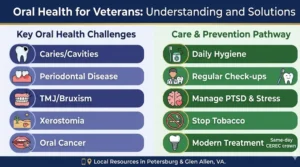
- Dental Caries (Cavities): Cavities form when mouth bacteria produce acids that erode tooth enamel. Veterans show higher decay rates due to poor hygiene and diet during service and after. Regular sweet, acidic rations or high-stress snacking, coupled with inadequate brushing, leads to rampant caries. Left untreated, cavities can progress to root canals or tooth loss.
- Periodontal Disease (Gum Disease): Gum infection/inflammation is extremely common in veterans. One cross-sectional study found severe periodontitis in over 60% of combat-PTSD veterans on medication. Untreated gum disease can cause bone loss, tooth mobility, and systemic inflammation that worsens diabetes or heart disease.
- Tooth Loss (Edentulism): Many veterans end up with dentures. In the above study, 20 of 30 elderly veterans had no natural teeth. Missing teeth affect chewing, nutrition, speech, and self-esteem. Modern prosthodontics (dentures, bridges, implants) can replace lost teeth, but access is a challenge.
- Temporomandibular Joint (TMJ) Disorders: Facial trauma, stress and bruxism (jaw clenching/grinding) are common in military life. PTSD patients often grind their teeth unconsciously; one source notes headaches and TMJ pain in 88% of PTSD patients. Chronic bruxism leads to tooth wear, jaw pain, and joint dysfunction. Migraines, facial tension, and clicking jaws should prompt TMJ evaluation.
- Xerostomia (Dry Mouth): Combat stress and medications (antidepressants, anxiolytics) can dry saliva flow. Dry mouth was repeatedly noted in PTSD veterans. Saliva protects teeth, so xerostomia greatly increases decay risk, bad breath, and oral infections. It also causes a burning mouth sensation and trouble wearing dentures comfortably.
- Oral Cancer: Tobacco and heavy alcohol use are major risk factors, both of which were high in the military. For example, smokeless tobacco use among naval personnel was five times the civilian rate and smoking twice the civilian rate. Oral squamous cell carcinoma (lips, tongue, throat) has a ~50% five-year mortality. Regular oral cancer screening is crucial for veterans who have smoked or chewed tobacco.
These issues often co-occur. For instance, a veteran who smokes, has PTSD, and lacks insurance may suffer from rampant caries and gum disease, compounded by dry mouth and missing teeth. A holistic dental exam includes not just checking for cavities, but also periodontal probing, oral cancer screening, jaw joint exam, and saliva flow assessment.
Causes and Risk Factors
Veterans’ oral health challenges have multifactorial causes, many linked to military service and lifestyle:
- Service-Related Exposures: Combat can expose personnel to chemical agents, pollutants (burn pits, fuel, solvent fumes), or radiation that may damage salivary glands or oral tissues. Mouth injuries from blasts or concussions can injure TMJ or teeth. Exposure to Agent Orange in Vietnam, for example, led to chronic health effects (though direct oral links are unclear). Dental morbidity is also higher in veterans with battlefield-related chronic conditions and inflammation. These exposures increase veterans’ risk of chronic diseases and exacerbate oral problems.
- Stress and PTSD: Chronic stress, PTSD, anxiety and depression – common in combat veterans – directly affect oral health. Stress hormones can dry mouth and suppress immunity. Mentally-distressed veterans may neglect oral hygiene (brushing, flossing) and regular check-ups. They are also more likely to smoke, drink heavily, or use substances as coping mechanisms. High rates of bruxism and TMJ pain are seen with PTSD. In one study of combat-induced PTSD, veterans on psychiatric medication had worst dental health: 62.5% had severe periodontitis and all had very poor DMFT (decayed-missing-filled teeth) scores. In short, “PTSD patients often show rampant caries, multiple missing teeth, severe periodontal disease, and TMJ disorders”. Stress-related saliva reduction and grinding also accelerate decay.
- Lifestyle Factors (Tobacco, Alcohol, Diet): Military culture historically saw high tobacco and alcohol use. Smoking rates in some service branches were reported at twice the civilian average, and smokeless (chewing) tobacco about five times higher. These habits greatly increase risks for oral cancer, gum disease and dry mouth. Alcohol abuse similarly elevates risk of oral cancer and neglect of hygiene. Unhealthy diets (frequent snacks, sugary sports drinks, high carb rations) during deployment also promote decay. Lack of fluoridated water in deployment zones contributes to enamel erosion.
- Medication Side Effects: Many veterans take medications for chronic conditions (blood pressure, mental health, diabetes) that have oral side effects. Antidepressants and antihistamines, for example, cause dry mouth and gingivitis. Multiple medications (polypharmacy) can reduce saliva or cause gum enlargement, increasing decay and periodontal problems.
- Dental Coverage & Access Barriers: Paradoxically, veterans often face limited access to dental care despite higher need. Only about 15% of veterans qualify for VA dental benefits (primarily those with 100% service-connected disability or specific conditions). Even when eligible, only one-third of those use the benefit each year. In many states Medicaid does not cover adult dental care and Medicare excludes it, leaving many vets uninsured or under-insured. Community clinics or saving for care become the only options, further delaying treatment. Lack of dental benefits forces veterans into emergency care or self-care.
- Social Determinants: Many veterans face socioeconomic challenges: low income, homelessness, or rural living. These factors correlate with poor oral health. Limited transportation, busy schedules, or low perceived need also keep vets from dental visits. Mental health issues and substance use disorders (more common in veterans) are themselves social factors that worsen oral health.
In summary, the convergence of combat-related stress and exposures, high-risk behaviors, systemic health issues, and gaps in coverage creates a perfect storm of oral health challenges for veterans.
Diagnosis and Treatment Options
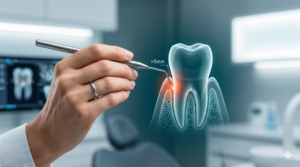
Comprehensive dental evaluation is the starting point. A dentist takes a full medical history (including service history, mental health, medications), inspects the mouth, and uses radiographs to find hidden decay or bone loss. Screening includes oral cancer checks (especially for smokers), periodontal probing (measuring gum pockets), and TMJ/jaw exam. Salivary flow and bite analysis (for bruxism) may be added. Once problems are identified, a treatment plan is created, often involving multiple specialists (e.g., periodontist, prosthodontist).
Key treatment modalities include:
- Restorative Dentistry: Cavities are treated with fillings (composite or amalgam) or crowns if decay is extensive. Root canal therapy treats infected tooth pulp, saving teeth that would otherwise be extracted. Modern CEREC® technology (same-day crowns) can expedite prosthetic restorations.
- Periodontal Therapy: For gum disease, scaling and root planing (deep cleaning) removes tartar below the gum line. More advanced periodontitis may require flap surgery or bone grafts. Ongoing maintenance cleanings (usually every 3–4 months) are vital for controlling infection.
- Prosthodontics: Missing teeth can be replaced with removable dentures, fixed bridges, or implants. Dentures restore function and appearance; implants provide permanent roots to support crowns or bridges. Many veterans avoid tooth extraction if possible, but in hopeless cases extraction with implant-supported dentures may offer best quality of life. Dr. Sayyar’s practice offers full prosthetic services and same-day crowns to minimize time without teeth.
- Oral Surgery: Some cases require surgical intervention. Extraction of non-restorable teeth or impacted wisdom teeth is common. Severe trauma (e.g. jaw fractures) requires surgical repair. TMJ surgery is rare but possible for chronic joint damage. Oral surgeons also biopsy suspicious lesions for cancer diagnosis.
- TMJ Disorder Management: Treatment often starts conservatively. Mouthguards or night splints prevent grinding. Stress-relief techniques (bite retraining, physical therapy, counseling) can reduce muscle tension. Medications (NSAIDs, muscle relaxants) alleviate pain. In recalcitrant cases, dental adjustment or even occlusal (bite) reconstruction is considered.
- Xerostomia Management: Treat dry mouth by removing offending medications if possible, prescribing saliva substitutes, and encouraging frequent water. Topical fluoride varnishes or high-fluoride toothpaste help counter increased decay risk. Sugar-free gum or lozenges stimulate saliva.
- Oral Cancer Treatment: If early signs (white/red patches, lumps) are found, biopsy is done. Confirmed cancer cases are referred to oncology and oral/maxillofacial surgeons. Treatment (surgery, radiation, chemotherapy) depends on stage. Preventative screening at regular check-ups is critical for early detection.
Treatment table: The following table summarizes common veteran oral conditions and corresponding dental interventions:
| Condition | Preventive/Non-Surgical Treatment | Interventional/Surgical Treatment | Prosthetic Solutions |
| Dental Caries (Cavities) | Improved hygiene, fluoride therapy | Fillings (composite, amalgam), root canal (if pulp infected) | Dental crowns (after root canal, large decay) |
| Periodontal Disease | Scaling/Root Planing, antimicrobial rinses | Periodontal surgery, bone grafts, gum grafts | Maintaining teeth; bridge/implant if lost |
| Tooth Loss (Edentulism) | Prevent further loss (hygiene, stop smoking) | Extractions of remaining unhealthy teeth | Dentures (partial/full), dental implants/bridges |
| TMJ Disorder/Bruxism | Night guard (splint), stress management | Arthrocentesis or arthroscopy (rare) | Bite realignment prosthetics if needed |
| Xerostomia (Dry Mouth) | Increased hydration, saliva stimulants, fluoride rinse | Moisture gels, possibly minor salivary gland surgery (rare) | (No direct prosthetic; manage decay risk) |
| Oral Cancer (Lesions) | Early detection via regular oral exam | Biopsy and surgical excision, neck dissection, reconstructive surgery | Prosthetic facial/oral reconstruction (palate prosthesis) |
| Denture-related Issues | Denture hygiene education | Denture adjustments, relines, repairs, or remake | New dentures or implant-retained prostheses |
Each veteran’s care is individualized. Treatment is often staged: for example, untreated infection (abscess) takes precedence, followed by restorative work and prosthetics.
Prevention Strategies and Lifestyle Recommendations
Preventive care is crucial to avoid severe outcomes. Key strategies include:
- Oral Hygiene: Brush twice daily with fluoride toothpaste and floss daily. These basics remove plaque before it causes decay or gum infection. Veterans with PTSD or depression should be reminded that self-care routines directly impact overall health.
- Regular Dental Exams: Schedule dental check-ups every 6 months (or as recommended). Professional cleanings remove tartar and enable early catch of problems. Fluoride varnish treatments at the dentist can strengthen enamel. (See our Cavity Prevention page for more on these techniques.)
- Dietary Choices: Limit sugary and acidic foods/drinks. Instead eat calcium-rich (dairy), fibrous fruits/vegetables, and drink plenty of water (preferably fluoridated tap water). Avoid frequent snacking; if needed, brush or rinse after sweets.
- Fluoride and Sealants: Use fluoride toothpaste and consider mouth rinses. Dental sealants (thin plastic coatings) can protect back teeth grooves where decay often starts. Fluoride (in water and products) is one of the most effective cavity preventives.
- Stop Tobacco and Limit Alcohol: Quitting smoking and smokeless tobacco dramatically cuts risk of gum disease and oral cancer. The VA offers cessation programs. Similarly, moderate or avoid alcohol to protect oral tissues. (Alcohol with smoking has a synergistic effect on cancer risk.)
- Manage Stress and Mental Health: PTSD and anxiety contribute to neglect and bruxism. Seek mental health support, therapy, or medications to control PTSD symptoms. Stress-relief techniques (exercise, meditation) also reduce jaw clenching. Good sleep and mental health care indirectly improve oral hygiene compliance.
- Protective Equipment: If engaging in contact sports or physically demanding work, use mouthguards to prevent tooth trauma. Though most combat injuries happen in active duty, veterans often continue high-risk activities (like recreation sports).
- Oral Self-Exams: Veterans and family members should watch for signs: red/white patches, non-healing sores, loose teeth, bleeding gums, or facial pain. Report any of these to a dentist promptly.
These prevention steps – along with smoking cessation and regular care – can dramatically lower future complications. For example, increasing fluoride and applying sealants (as recommended by CDC/ADA) reduce decay by 60% or more in susceptible teeth.
Care Pathway for Veterans
Veteran dental care often follows a distinct pathway, balancing VA protocols with individual needs:
Typical Dental Care Timeline for Veterans
This timeline illustrates a typical journey. After military discharge, a veteran should have a full evaluation (preferably within 1–2 months). If eligible, VA resources or programs (like Dental Lifeline Network) may offset costs. Routine preventive care (cleanings, sealants, fluoride) is scheduled first, to halt new disease. Next, necessary treatments (restorations, extractions, TMJ splints, etc.) are provided. If teeth are lost, prosthetic rehabilitation (dentures/implants) follows. After the initial treatment phase, the focus shifts to maintenance: ongoing cleanings and monitoring (often every 3–6 months). Mental health and smoking cessation programs run in parallel to improve compliance.
VA vs. Civilian Care Pathway: Eligible veterans enter the VA system, which has its own scheduling and referrals to specialized clinics. Uninsured or ineligible veterans typically seek civilian providers. Many veterans use both: e.g., seeing a private dentist for exams and reserving VA for major rehabilitation. Under the VA’s Community Care program, vets may be referred to local dentists when VA is unavailable. In all cases, a coordinated care plan ensures no condition is left untreated.
Local Resources and Clinic CTA
Veterans in Petersburg and Glen Allen, VA have several local dental care options:
- Sayyar Family Dentistry (Glen Allen): Dr. Sayyar’s practice (5231 Hickory Park Dr, Glen Allen) warmly welcomes new patients of all ages, including veterans. We offer comprehensive services: preventive care, restorative dentistry (fillings, crowns, root canals), prosthodontics (dentures, implants), TMJ therapy, and cosmetic procedures. Our office uses modern techniques (e.g. same-day CEREC® crowns) for fast, high-quality care. We work with many insurance plans and provide flexible financing. Our dedicated team knows the unique challenges veterans face and can coordinate with VA benefits when applicable. Call us at (804) 290-8001 to schedule an appointment or ask about veterans’ care. Learn more on our [About Us] and [Contact] pages.
- Petersburg Health Center (CVHS): For low-income or uninsured veterans, the Central Virginia Health Services Petersburg clinic offers dental care on a sliding fee scale. Services include exams, cleanings, fillings, crowns, extractions, and limited oral surgery. The address is 321C Poplar Drive, Petersburg; phone (804) 733-5591. They are an important local resource, especially for those ineligible for VA coverage.
- Virginia VA Clinics: The nearest VA outpatient clinic in Petersburg (part of Martinsburg VA Health Care) provides primary care and mental health services. While VA dental is limited, the Richmond VA Medical Center (about 30 miles north) offers specialized dental care for eligible vets. Veterans can contact the VA dental office or use the VA Dental Clinic Locator to find covered providers.
- Veterans Programs: The Dental Lifeline Network and Give Kids A Smile occasionally sponsor free clinics for veterans. Richmond-area dental schools (VCU School of Dentistry) may offer discounted care.
Ultimately, veterans should pursue whichever pathway gives timely access. Even after leaving service, your oral health is critical to well-being. We encourage Petersburg and Glen Allen vets to take action: prioritize dental care, use benefits if available, and seek help early. Our practice honors your service and is committed to improving veterans’ smiles and health.
Frequently Asked Questions
Q: What oral health problems are most common in military veterans?
A: Studies show veterans have higher rates of dental caries (cavities), periodontal disease (gum infection), and tooth loss than the general population. Conditions like TMJ dysfunction (from grinding) and dry mouth (xerostomia) are also prevalent in those with combat stress. Smoking-related oral cancer risk is another concern, as many veterans have higher tobacco use.
Q: Why do veterans face more dental issues than civilians?
A: Multiple factors contribute. Combat and service-related exposures increase health risks. High stress and PTSD can lead to poor hygiene and teeth grinding. Veterans often smoke/drink more, which damages gums and oral tissues. Importantly, most veterans lack VA dental coverage (about 85% are ineligible), so they delay care. All these elements combine to worsen oral health in the veteran population.
Q: How does mental health affect a veteran’s dental care?
A: There is a strong link between mental health disorders and oral health. Anxiety, PTSD, and depression can cause neglect of self-care and physiological effects. Stress can cause dry mouth and bruxism (tooth clenching), leading to cavities and TMJ pain. Psychotropic medications often dry out the mouth or inflame gums. Veterans with PTSD have been shown to have rampant decay, missing teeth, and severe periodontal disease. Addressing mental health is therefore a key part of improving oral health.
Q: What treatments help veterans with dental problems?
A: Treatment depends on the condition. Cavities are treated with fillings or crowns. Gum disease requires deep cleanings (scaling) and sometimes surgery. Missing teeth can be replaced with dentures, bridges or implants. TMJ pain is managed with mouthguards, therapy, or pain relievers. We provide modern solutions (e.g. same-day crowns) and personalized care plans. Dental prosthetics (dentures, implants) restore function and appearance lost by tooth removal. Every plan is tailored, and we coordinate with VA or other programs to maximize benefits.
Q: How can veterans prevent dental problems after service?
A: Preventive steps include thorough daily hygiene (brushing, flossing) and regular dental check-ups. Fluoride treatments and dental sealants protect against decay. Lifestyle changes are crucial: quit tobacco, limit alcohol, and eat tooth-friendly foods. Managing stress (counseling, exercise) helps reduce bruxism and neglect. For veterans with PTSD or substance issues, counseling and support services can indirectly improve dental self-care. Finally, use any eligible benefits (VA or local programs) to maintain regular cleanings and exams.
Q: Are there local resources in Petersburg/Glen Allen for veterans’ dental care?
A: Yes. Our Glen Allen practice (Dr. Sayyar) offers veteran-friendly dental care (see [Contact] and [About Us]). The Petersburg Health Center (CVHS) has dental services on a sliding fee scale. Nearby VA facilities can treat eligible vets, and local clinics sometimes offer free or low-cost care events. We encourage veterans to call our office at (804) 290-8001 or visit our website to discuss options. We can guide you to VA dental benefits or community clinics, and provide the comprehensive care you deserve.
Have a question about your smile?
Dr. Sean Sayyar and our team in Glen Allen, VA are here to help.