Early Detection of Gum Disease in Veterans: Why It Matters in Glen Allen & Richmond, VA
Executive Summary: Periodontal disease (gum disease) is a common, chronic infection that often progresses silently. Veterans in Virginia face particularly high risk: studies show many have untreated gum issues. Smoking, diabetes, stress/PTSD, and certain medications (common in veterans) raise this risk. Early-stage gum disease (gingivitis) is reversible, but once it advances to periodontitis with bone loss, damage is irreversible. Regular check-ups and screening by dental professionals can catch disease early and enable preventive care (brushing, flossing, cleanings) to stop progression. This report outlines the importance of early detection for veterans’ oral health, describes symptoms and screening methods, compares diagnostic tools, and highlights prevention strategies. We also explain VA dental benefits vs. civilian care options in Virginia. Local veterans are urged to seek preventive exams promptly: call (804) 290‑8001 or visit our [Contact Us] page to book an appointment.
Veteran Oral Health in Virginia: Prevalence & Risk Factors
Veterans nationwide have significantly poorer oral health than civilians. In one U.S. survey, 55% of veterans had moderate-to-severe periodontitis versus 40% of non-veterans. A CareQuest report found 42% of veterans reported gum treatment or bone loss, far higher than 27% of non-veterans. Veterans are also more likely to smoke (∼60% vs. 41% of civilians) and have diabetes (17.3% vs. 8.7%), both major periodontal risk factors. Mental health challenges (PTSD, depression) and medications that cause dry mouth (antidepressants, pain meds) further increase risk. Because gum disease often causes little pain at first, many veterans delay care. This hidden progression—twice as many veterans report untreated decay or gum disease when they do see care—underscores the need for proactive screening and early dental visits.
Veterans tend to be older and predominantly male, and periodontitis prevalence rises with age (about 60% of U.S. adults 65+ have periodontitis). Lifestyle factors common in service (tobacco, alcohol) and combat injuries (facial trauma, bruxism from stress) also contribute. Overall, veterans in Virginia face a higher burden of gum disease than average adults. Early detection and prevention are therefore especially critical for this community.
Early Signs and Symptoms of Gum Disease
Early gum disease (gingivitis) often has mild or no symptoms, so routine screening is essential. A U.S. Centers for Disease Control and Prevention (CDC) fact sheet notes: “Gum disease can often become serious before a person notices symptoms. A yearly dental checkup can help detect and prevent this condition.”. When symptoms do appear, look for: red, swollen, or tender gums; bleeding when brushing or flossing; gums that have pulled away from teeth; persistent bad breath; loose or sensitive teeth; or changes in bite alignment. These signs often begin in the gingiva (gum tissue) and, if ignored, can progress to periodontitis with bone loss. Gingivitis is reversible with proper care, but periodontitis causes irreversible bone damage and tooth loss.
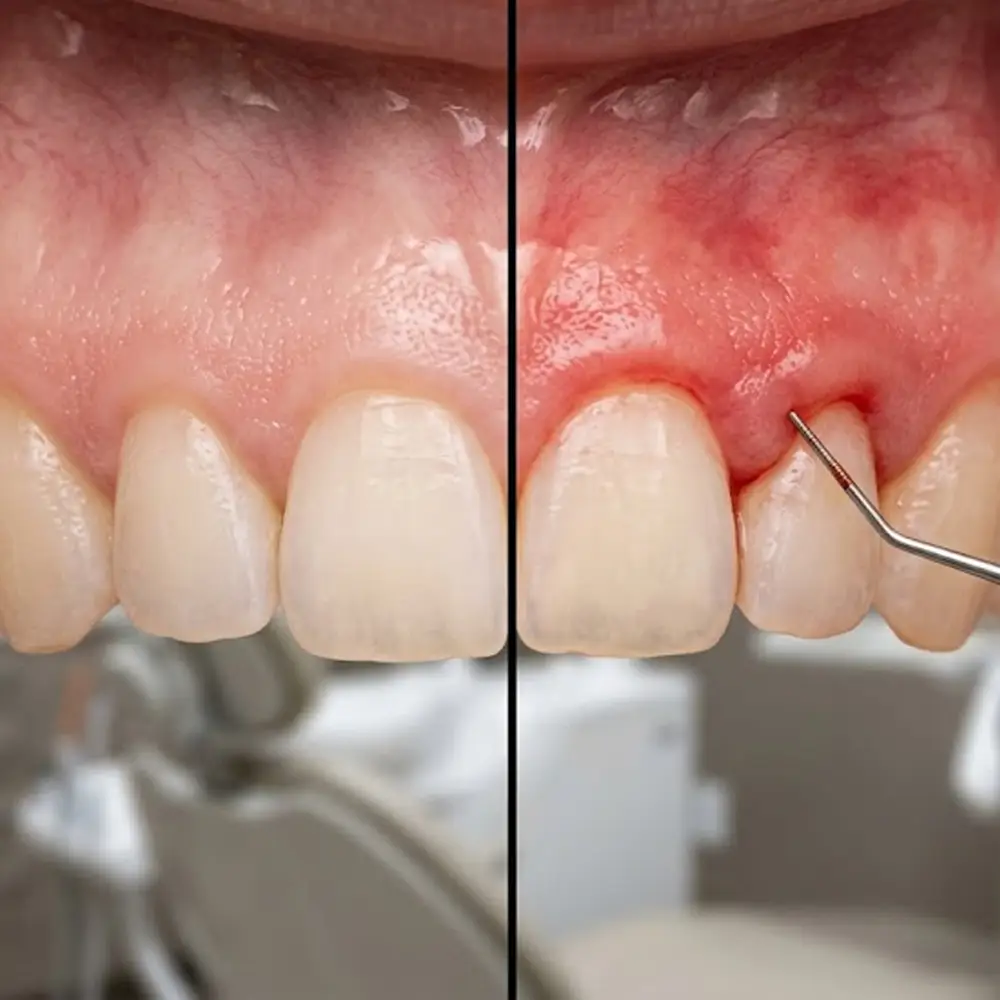
Figure: Illustration of early gum inflammation (gingivitis) showing a developing periodontal pocket. Gingivitis causes redness, swelling, and bleeding of the gums. If untreated, pockets deepen and lead to periodontitis (bone loss). (Image: U.S. Veterans Health Library)
Gingivitis is the mildest stage of periodontal disease. The gums become irritated, swollen, and may bleed easily when brushed or flossed. A small periodontal “pocket” forms between tooth and gum. Patients may have no pain at this stage, so professional exam is key. Left untreated, gingivitis can progress to periodontitis: infection moves deeper to the tooth roots and supporting bone. Advanced periodontitis causes gum recession, deepening pockets filled with plaque and bacteria, chronic bad breath, and eventual tooth mobility or loss. The Veterans Health Library emphasizes that “infection and inflammation spread to the bone supporting the teeth”, a destructive process that can only be halted (not reversed) with treatment.
Screening and Diagnosis of Early Gum Disease
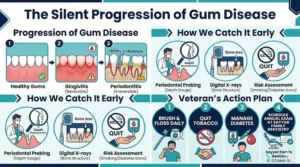
Early detection relies on regular dental exams. Professional screening typically includes:
- Periodontal probing: A calibrated probe measures gum pocket depth around each tooth. Depths over ~3 mm or bleeding on probing indicate disease. Recent research confirms probing depth as the single most sensitive indicator of early periodontitis. Periodontal charting during cleanings is therefore essential for veterans at risk.
- Dental radiographs (X-rays): Bitewing or periapical X-rays reveal bone loss around teeth. However, X-rays only show damage after about 30–50% of bone is lost, so radiographs alone can miss early disease. They serve as a useful supplement to clinical exam, confirming bone loss extent.
- Bleeding-on-probing (BOP) and inflammation indices: Noting gum bleeding, redness, plaque level, and mobility provides clues. Absence of bleeding is a strong sign of health, while positive BOP indicates active inflammation.
- Biomarker tests (emerging): New chairside saliva tests (e.g. for aMMP-8 enzyme) can screen for active periodontal inflammation, but these are not yet routine. Researchers envision home salivary tests (analogy: a home pregnancy test) to prompt dental visits when positive.
- Medical history and risk assessment: Dentists may review smoking status, diabetes, medications, and stress factors to identify high-risk veterans.
The table below summarizes common screening methods:
| Screening Method | Sensitivity (Early Detection) | Invasiveness | Setting | Cost/Availability |
| Periodontal probing (Clinical exam) | High – detects early pockets, bleeding | Low – mild gum probing | Dental or hygiene clinic exam | Low – part of routine exam |
| Dental radiographs (X‑rays) | Moderate – shows bone loss after ~30–50% damage | Low – minimal X-ray exposure | Dental office (not at every visit) | Moderate – per image; widely available |
| Salivary/Biomarker tests | Potentially high – under study for early disease | None – noninvasive saliva sample | Specialized labs or advanced clinics | High – experimental, limited availability |
Table: Comparison of periodontal screening methods. Early detection relies on clinical exam (pocket depth, bleeding) and radiographs. Research is exploring saliva-based tests to flag disease activity.
Veterans should inform their dentist of their medical history (diabetes, PTSD, medications) so the provider can tailor the exam and frequency. According to CDC guidelines, anyone with risk factors or any sign of disease should have more frequent cleanings (possibly every 3–4 months). Regular, structured periodontal screening is the best way to catch disease before it causes permanent damage.
Preventive Care and Self-Management for Veterans
Because gum disease is largely preventable, daily home care and lifestyle adjustments are vital. The CDC emphasizes that “periodontal diseases… are largely preventable and treatable. The key is good oral hygiene, overall self-care, and regular care from a dental provider.”. In practice, that means:
- Daily brushing and flossing: Brush teeth twice daily with fluoride toothpaste and a soft brush. Floss at least once a day to remove plaque between teeth. Electric toothbrushes and interdental cleaners may improve plaque removal.
- Professional cleanings: See a dentist or dental hygienist for routine cleanings and exams at least once a year, or more often if recommended. These visits remove tartar and check for early disease.
- Manage systemic health: Control blood sugar if diabetic (as high sugar worsens gum inflammation). Keep blood pressure and cholesterol in check. Discuss medications with doctors – some (e.g. antidepressants, antipsychotics, anti-seizure drugs) can cause dry mouth and increase gum risk; a doctor may adjust or add saliva substitutes.
- Quit tobacco: Stop smoking or chewing tobacco. Smoking is one of the strongest risk factors for periodontitis. Tobacco use in veterans accelerates gum destruction and reduces healing. Support programs and nicotine replacement can help.
- Healthy diet: Reduce sugary snacks and acidic drinks. Eat balanced meals rich in vitamins C and D to support gum health.
- Stress reduction: High stress (including PTSD) is linked to poorer oral hygiene and healing. Use stress management or therapy to improve general wellness, which in turn aids oral health.
Regular self-assessment is also helpful. Veterans should look in the mirror for any swollen or bleeding gums, especially along the gumline, and report these to their dentist. Routine dental visits are not “just for problems” – they are the best way to prevent problems. As one VA health guide notes, “Regular self-care and dental visits can help prevent or control periodontal disease.”. In short, the same good habits that prevent cavities—brushing, flossing, fluoride use, healthy diet—also prevent gum disease.
Accessing Dental Care: VA vs. Civilian Clinics in Virginia
Dental benefits for veterans are limited. The VA provides full dental care only to specific categories (e.g. service-connected dental disability, POWs, 100% disability, certain service eras). Most veterans (over 80%) are ineligible for routine VA dental care, putting them at risk of neglecting oral health. Those who do qualify can receive care at VA dental clinics or through VA-authorized community (civilian) dentists under the Veterans Community Care program.
Local civilians and dentists can help bridge this gap. Sayyar Family Dentistry in Glen Allen, VA (near Richmond) welcomes veteran patients of all ages. We accept many dental insurances and work with VA community care referrals to make sure eligible veterans get needed treatment. Whether you have VA dental benefits or not, our team provides comprehensive exams, periodontal screening, and preventive care.
For preventing gum disease, the path is similar whether you use VA or private care: screen early, treat when needed, and maintain healthy habits. The recommended screening/referral pathway is illustrated below, guiding veterans to the right provider and actions. In Virginia’s Richmond-area, veterans should not wait: early dental visits save teeth and health.
(PCP or Dental Intake)
If Symptoms or Risk Factors Found:
(VA or Civilian CCN)
If YES:
(SRP, Deep Cleaning, Medications)
(Smoking Cessation / Diabetes Control with PCP)
Figure: Recommended screening and referral pathway for veterans. Veterans begin with a health screening (e.g. primary care or initial visit), get referred for dental evaluation if needed, then receive treatment or preventive maintenance. In Glen Allen/Richmond, Sayyar Family Dentistry partners with VA/community care to support veterans.
Preventing Periodontal Disease: Key Takeaways
- Early Visits: Don’t wait for pain. Annual (or biannual) dental check-ups with probing and X-rays catch problems before they worsen.
- Daily Hygiene: Brush twice a day, floss daily, and use fluoride. These simple steps remove plaque and halt gingivitis.
- Tackle Risks: Quit smoking and control diabetes. Seek help for stress and discuss medications with doctors.
- Regular Professional Care: Schedule cleanings at least yearly (more if gum disease is found). Inform your dentist of veteran-specific risks (PTSD, combat injuries, etc.) so care can be tailored.
- Know the Signs: Look for bleeding or receding gums, bad breath, or loose teeth – even mild symptoms warrant evaluation. Gum disease often has no pain until advanced.
- Follow Through: If screening shows disease, adhere to the treatment plan (scaling, root planing, or specialist referral) and maintain frequent follow-ups.
Preventing periodontitis not only preserves your teeth but also supports overall health. Untreated gum infections can worsen diabetes control and even contribute to heart or lung issues. For veterans in Glen Allen, Richmond, and surrounding Virginia communities, integrating dental care into health routine is an important part of veteran care.
Call to Action: Don’t delay – early detection saves teeth and health. If you’re a veteran in the Glen Allen/Richmond area, call (804) 290‑8001 today or visit our [Contact Page] to schedule a preventive dental exam. Our team is experienced in treating veterans’ unique needs and will provide a thorough periodontal screening. Sayyar Family Dentistry & Associates welcomes you and is ready to partner with you in maintaining a healthy smile.
Frequently Asked Questions
Q: What are the earliest signs of gum disease I should watch for?
A: Early gum disease (gingivitis) may be very subtle. Look for any redness, swelling, or bleeding of the gums when brushing or flossing. Gums may feel tender or pull slightly away from teeth. You might notice persistent bad breath or a slight change in your bite. Often there are no noticeable symptoms, which is why routine dental check-ups are vital. If you see any of these signs, inform your dentist – early intervention can reverse gingivitis before it progresses.
Q: How often should veterans get dental check-ups?
A: At minimum, have a dental exam and cleaning once a year. If you have risk factors (smoking, diabetes, history of gum disease), your dentist may recommend visits every 3–6 months. These visits include periodontal screening (probing and possibly X-rays) to catch issues early. Annual checks are a general rule: as CDC notes, “A yearly dental checkup can help to detect and prevent” gum disease. Don’t wait for a problem to arise – prevention and early detection are key.
Q: Why are gum disease risks higher for veterans?
A: Multiple factors put veterans at higher risk. Smoking rates and diabetes are significantly higher in veterans than civilians, both of which worsen gum disease. Stress disorders and some medications common among veterans can reduce saliva or oral care routines. Many veterans are older males, and periodontitis becomes more common with age. There are also systemic and access issues: veterans often delay dental care due to cost or eligibility, allowing disease to advance. Recognizing these risks means veterans should take extra care with prevention and screening.
Q: Does the VA cover preventive dental care or gum disease treatment?
A: VA dental benefits are limited. Only certain veterans (e.g. those with 100% service-connected disability, POW status, or specific combat-related conditions) qualify for full dental care. Most veterans must seek dental care outside the VA. However, if you qualify, VA will cover needed preventive and treatment services. If you don’t qualify, consider Medicaid, private insurance, or community clinics. Our office works with VA’s Community Care program, and we’ll help navigate resources. Regardless of coverage, we encourage veterans to get preventive exams – early treatment (even privately) avoids more serious problems later.
Q: How can I prevent periodontal disease on my own?
A: Consistent self-care is your first defense. Brush your teeth twice daily with fluoridated toothpaste, and floss every day to remove plaque from between teeth. Quit smoking and control your blood sugar if diabetic. Eat a nutritious diet low in sugars. Use tools like an electric toothbrush or water flossers if plaque buildup is an issue. Remember to change your toothbrush every 3–4 months or after illness. Finally, keep your dental appointments – cleanings remove tartar you can’t brush away, and your dentist can spot problems before they become major. These combined habits (good hygiene, diet, and regular check-ups) can largely prevent gum disease.
Q: How does periodontal disease affect overall health?
A: Advanced gum disease allows chronic inflammation and bacteria to enter the bloodstream, which can worsen other health issues. For example, periodontitis is linked to poorer diabetes control (and vice versa), and studies suggest associations with heart and respiratory diseases. By detecting and treating gum disease early, veterans not only save their teeth but may also improve their overall health and quality of life.
Q: How do I book an appointment for periodontal screening at Sayyar Family Dentistry?
A: Call us at (804) 290-8001 or click the “Contact Us” link on our website to schedule an exam. We welcome new patients, especially veterans, and can arrange timely periodontal screening. Our Glen Allen office serves all of the Richmond metro area. Early detection is key — don’t wait. Take action today to protect your smile and health.
Have a question about your smile?
Dr. Sean Sayyar and our team in Glen Allen, VA are here to help.