Warning Signs That Your Gum Disease Requires Specialized Treatment
Executive Summary
- Gum disease (periodontal disease) is very common among adults. Early signs include bleeding or swollen gums, redness, tenderness, and pockets forming around teeth. These symptoms may be easy to ignore but can signal gingivitis or periodontitis.
- If untreated, periodontal disease progresses to destroy the supporting structures of the teeth (bone and ligaments), eventually causing tooth mobility or loss. Indeed, periodontitis (advanced gum disease) is an irreversible condition requiring professional care.
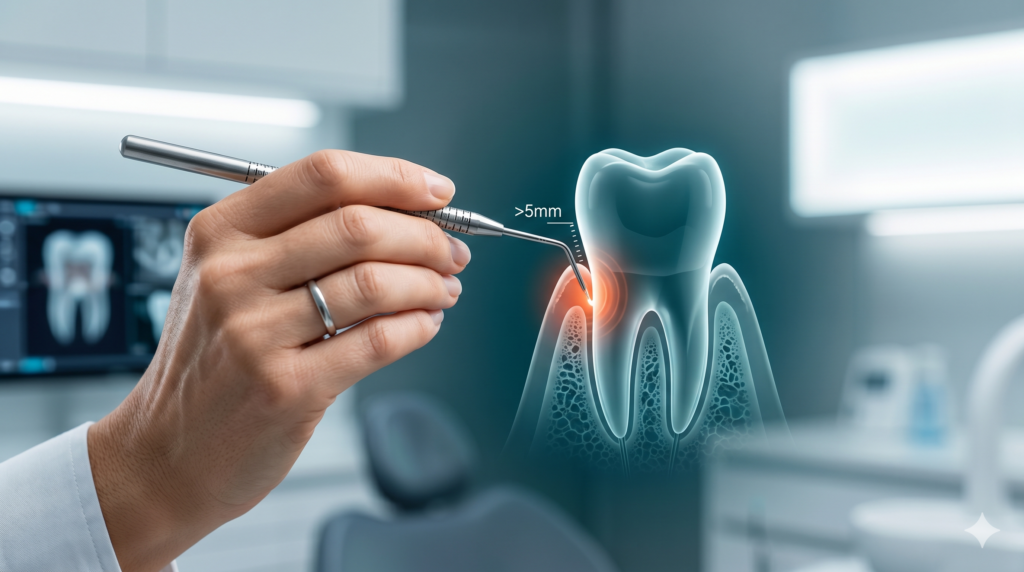
- Warning signs for specialist (periodontist) referral include: deep gum pockets (>5 mm), loose or drifting teeth, receding gums exposing roots, persistent pus or swelling, and gum disease that persists or worsens despite good home care. Other red flags include systemic risk factors (diabetes, smoking, family history of heart disease) that complicate healing.
- Veterans and their families should be especially vigilant: the VA’s health library outlines the stages of gum disease (from reversible gingivitis to advanced periodontitis) and stresses prompt care. Veterans may qualify for VA dental benefits, so do not delay.
- This article covers clinical stages of gum disease, differential diagnoses for bleeding gums, complications of advanced disease, evidence-based treatments and timelines, and urgent action steps. It includes a comparison table of disease stages, a decision flowchart, and FAQs (including veterans’ dental coverage). If you have any warning signs, call our Petersburg/Glen Allen VA dental clinic now at (804) 290‑8001 or book an appointment online.
Common Symptoms of Gum Disease (Gingivitis & Periodontitis)
Early gum disease often causes gums that bleed easily, especially when brushing or flossing. You may notice red, swollen, or tender gums that feel sore. Other warning signs include gums pulling away (receding) from teeth, persistent bad breath or bad taste, and teeth that begin to feel loose or shift position. These symptoms occur because plaque bacteria around your gums trigger inflammation. Gingivitis (the mildest form of gum disease) causes gum irritation, swelling, and bleeding, but usually no pain. If caught early, gingivitis is reversible with professional cleaning and improved oral hygiene.
However, because gum disease can progress silently, even slight bleeding or chronic bad breath are warnings not to ignore. The CDC notes that periodontal disease often becomes serious before symptoms arise, so annual dental checkups are important. Anyone in Petersburg or Glen Allen who notices bleeding gums should act quickly – bleeding is never “just normal.” If your gums are persistently red or puffy and bleed easily, do not wait: schedule a dental evaluation immediately. For example, our clinic’s Emergency Dentistry page advises seeking urgent care if you experience severe pain or swelling, but even mild bleeding gums warrant prompt attention before they worsen.
Stages of Periodontal Disease: Gingivitis to Advanced Periodontitis
Gum disease progresses in stages. Below is a summary of each stage, its signs, recommended action, and urgency:

As the table shows, early stages are treated with deep cleanings and improved hygiene. But once periodontitis is moderate or severe, specialized periodontal treatment is required. For example, research and guidelines indicate that pockets deeper than 5 mm after initial cleaning often need surgical management by a periodontist. Similarly, if you have loose teeth or bone defects, a specialist’s skills are needed. In Petersburg and Glen Allen, our clinic offers comprehensive care and can refer you to a periodontist immediately when needed.
When to Seek Specialist Referral or Emergency Care
Not all gum disease can be handled by routine cleanings. Red-flag signs that you need a periodontist include: persistent deep periodontal pockets, teeth that are mobile or separating, gum pain or pus, and disease that fails to improve with treatment. Other factors that warrant referral include uncontrolled diabetes, heavy smoking, or a family history of severe gum disease.
According to the American Academy of Periodontology, your dentist is likely to refer you if you have “a moderate or severe level of periodontal disease, with symptoms such as bleeding, swollen or receding gums, loose teeth, or a change in your bite”. We see this often: if treatment-resistant periodontal pockets or generalized bone loss are found on X-rays, we will recommend seeing our periodontist. In fact, if after initial therapy you still have probing depths >5 mm, bleeding, or active inflammation, that is a clear sign to upgrade care.
For immediate emergency situations, do not delay. Severe gum infections or abscesses are dental emergencies. The CDC and our clinic advise that “if you experience severe pain, trauma, or swelling, seek emergency dental care immediately”. For instance, if your face or neck is swollen, or if you have fever with a painful gum lump, come to our office or an emergency room right away. Our Emergency Dentistry service is available for urgent care when abscesses or injuries occur, helping to drain infection and control pain.
Complications of Untreated Gum Disease
Ignoring these warning signs can lead to serious consequences. As periodontal disease progresses, it destroys the bone and ligament that hold teeth in place, eventually causing tooth loss. The CDC reports that “periodontitis and cavities are the two leading causes of tooth loss”. Advanced gum disease may form deep pockets filled with pus, and teeth can become so loose they must be extracted.
Moreover, chronic periodontal infection can impact your overall health. While research is ongoing, severe periodontitis has been linked with systemic conditions like diabetes, heart disease, and stroke. For example, periodontitis can worsen blood sugar control in diabetics, and inflammation from gum disease may contribute to cardiovascular risk. The American Academy of Periodontology notes that these associations underscore the importance of specialist care for more advanced cases.
In everyday life, these complications translate to more clinic visits, higher dental costs, and lasting damage. For veterans in Petersburg and Glen Allen, timely treatment is especially critical. Studies estimate untreated gum disease carries high healthcare costs; preventing progression saves not only smiles but dollars. Our practice provides evidence-based periodontal therapy aimed at halting disease before it leads to tooth loss or systemic complications.
Evidence-Based Periodontal Treatment and Timelines
Treatment depends on disease severity. For gingivitis or very mild periodontitis, the first step is professional cleaning (prophylaxis) plus reinforcement of oral hygiene. A course of deep cleanings – called scaling and root planing (SRP) – is the standard of care for moderate disease. In SRP, a dentist or periodontist removes plaque and tartar from below the gumline and smooths tooth roots. The American Academy of Periodontology notes that periodontists commonly perform SRP and “clean the infected surface of a tooth’s root” as part of treatment.
Usually SRP is done over 1–4 sessions (quadrants of the mouth) within a few weeks. We then re-evaluate the gums after about 4–6 weeks to check for healing. If pockets remain deep or bleeding continues, surgical options are considered. Periodontists offer procedures like flap surgery (to clean roots under anesthesia), bone grafting, or gum grafting to rebuild lost tissues.
If a periodontal abscess or severe infection is present, antibiotics may be prescribed immediately while arranging urgent treatment. In life-threatening emergencies (difficulty breathing), call 911. Otherwise, for acute pain or swelling, contact our office; we often see patients the same day or within 24 hours.
After active therapy, patients enter a periodontal maintenance program (usually cleanings every 3–4 months) to prevent recurrence. This is crucial for long-term health of teeth. Our Petersburg/Glen Allen clinic follows these evidence-based protocols: assessing full-mouth health, scaling diseased areas, using antibiotics when indicated, and scheduling prompt follow-ups.
For readers: don’t wait if you have risk factors or warning signs. Call (804) 290‑8001 now. Our compassionate team will work with you on the fastest timeline possible – often within a week for urgent periodontal evaluations. You can also contact us online to book an appointment. Early intervention preserves bone and teeth, while delays can mean complex surgery or tooth loss.
Differential Diagnosis: Other Causes of Bleeding or Swollen Gums
Not all gum bleeding is due to infection. Other conditions can mimic periodontal symptoms. For example, pregnancy gingivitis is common in pregnant women (hormonal changes cause gum swelling and bleeding). Vitamin deficiencies (scurvy/Vitamin C) or blood disorders (leukemia, low platelets) can also cause bleeding gums. Certain medications (anticoagulants, some blood pressure drugs) make gums bleed more easily. Autoimmune diseases and oral cancers might present with gum lesions or bleeding as well.
However, these non-plaque causes are less common than gum disease in our patient population. The ADA emphasizes that “gums that bleed easily, red or swollen gums” are classic periodontal signs. If you have unusual gum changes without much plaque, mention other medical issues to your dentist. In most cases, though, improving plaque control and seeing a dentist for scaling will resolve bleeding. If gum inflammation is disproportionate to the amount of plaque, or accompanied by other systemic symptoms, your dentist may coordinate with your doctor for additional tests.
Veterans’ Dental Care and Insurance Considerations
Veterans face unique considerations. The VA’s Veterans Health Library explicitly covers periodontal disease, emphasizing the same stages outlined here. Importantly, some veterans may qualify for VA-sponsored dental care or compensation, especially if their gum disease is service-connected. It’s worth discussing with your VA case manager or dentist.
Our practice welcomes veterans from Petersburg, Fort Lee, and Glen Allen. We can assist with VA referrals or work with your insurance. If you’re a veteran experiencing bleeding gums or periodontal pain, act now. Early treatment prevents severe problems. Call our office or check if you have VA dental benefits. Remember, bleeding gums are never normal, and the VA advises veterans to treat gum disease proactively.
We accept most insurance plans and can help coordinate any VA dental claims. For local veterans’ blood draws or health records, we can communicate with the VA system as needed to ensure continuity of care. Don’t let paperwork delay your health: call (804) 290‑8001 to see our periodontist or schedule online via our Contact Us page.

Frequently Asked Questions (FAQ)
1. I’m a veteran and my gums bleed when I brush. Should I seek immediate treatment?
Yes. Bleeding gums are a warning sign of gum disease, which can worsen if untreated. Veterans may qualify for VA dental care, so an exam is recommended as soon as possible. If there is severe pain or swelling, treat it as urgent and seek immediate dental care.
2. What’s considered a dental emergency for gum disease?
Emergency signs include intense tooth or gum pain, facial swelling, fever, or pus (abscess). Severe pain, trauma, or uncontrolled bleeding should be treated immediately. Persistent swelling, bleeding, or loose teeth also require urgent dental evaluation.
3. Will my dental insurance or VA benefits cover periodontist visits?
Coverage depends on your plan and VA eligibility. Many plans cover periodontal treatment when medically necessary. Veterans with qualifying VA dental classes may also be covered. It’s best to verify benefits before delaying care, as untreated gum disease can become more serious and costly.
4. How do I know if I need a periodontist or just a general dentist?
A general dentist can treat early gum disease. A periodontist is recommended for moderate to severe cases, especially when gum pockets are deep (around 5 mm or more), teeth are loose, gums are receding, or bone loss is present.
5. What should I do right now if my gums are swollen or bleeding?
Start by improving oral hygiene: brush twice daily, floss gently, and rinse with warm salt water. Then schedule a dental exam as soon as possible. If you have severe pain or fever, seek emergency dental care immediately.
6. Can swollen or bleeding gums be caused by something other than gum disease?
Yes. Certain medications, hormonal changes (like pregnancy), or systemic health conditions can contribute. However, gum disease is the most common cause and should always be ruled out by a dentist.
7. How quickly should periodontitis be treated once detected?
Treatment should begin as soon as possible after diagnosis. Non-surgical therapy like scaling and root planing is usually started quickly and followed by a re-evaluation after several weeks. Early treatment helps prevent progression and bone loss.
By understanding and heeding these signs—especially bleeding or swollen gums—you can prevent serious damage. Dr. Sayyar Family Dentistry & Associates (Glen Allen / serving Petersburg, VA) is ready to act quickly. Don’t wait: call (804) 290‑8001 now or contact us to book an urgent evaluation. Our periodontist will assess your condition and provide the specialized care you need to save your smile and protect your overall health.
Have a question about your smile?
Dr. Sean Sayyar and our team in Glen Allen, VA are here to help.